Gramercy
Lifestyle & Vibe
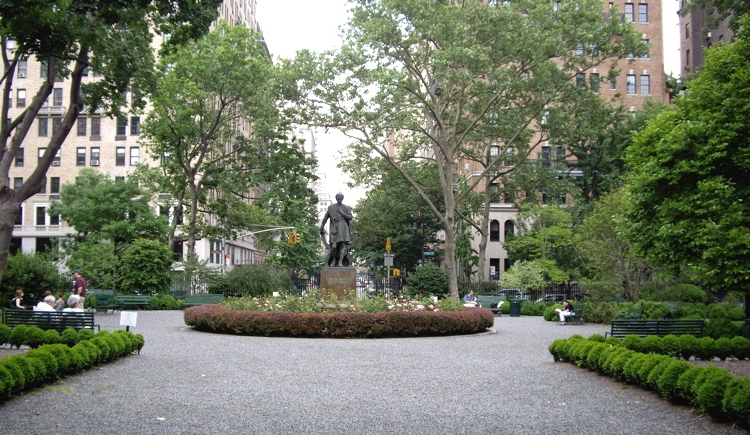
Gramercy is defined by meticulous historic preservation, creating a striking architectural environment. The centerpiece of the neighborhood is Gramercy Park, a two-acre, privately owned green space accessible only to residents of the surrounding buildings. This heavily landscaped park features ancient trees, manicured flower beds, and classical statuary. The streetscapes radiating from the park, specifically Irving Place, are characterized by immaculately maintained sidewalks, mature tree canopies, and vintage cast-iron streetlamps.
Real Estate & Architecture
The Gramercy Park Historic District contains an outstanding collection of mid-19th-century residential architecture. The perimeter of the park is lined with extraordinary pre-Civil War row houses, featuring Greek Revival, Italianate, and Gothic Revival typologies with intricate wrought-iron balconies, deep masonry cornices, and imposing stoops. The townhouse market here is defined by immense scale and original millwork. During the 1920s, the northern edge of the park was transformed by the introduction of luxury high-rise apartment houses, such as the terra-cotta detailed One Lexington Avenue and the iconic Gramercy Park Hotel building. The real estate market is dominated by these elite pre-war cooperatives and monumental standalone mansions.
Dining & Culture
Gramercy's dining culture operates with sophisticated gravity. The neighborhood's commercial presence is largely concentrated along Park Avenue South and Irving Place. The crown jewel of the area's gastronomy is Gramercy Tavern, located in a historic 1899 loft building designed by Neville & Bagge, renowned for its restored architectural details and culinary execution. Irving Place serves as a highly curated corridor of independent retail, artisanal coffee houses, and specialized bakeries, including outposts like Tatte Bakery. Public transportation is easily accessed at the borders via the 4, 5, 6, N, Q, R, W, and L trains at Union Square.