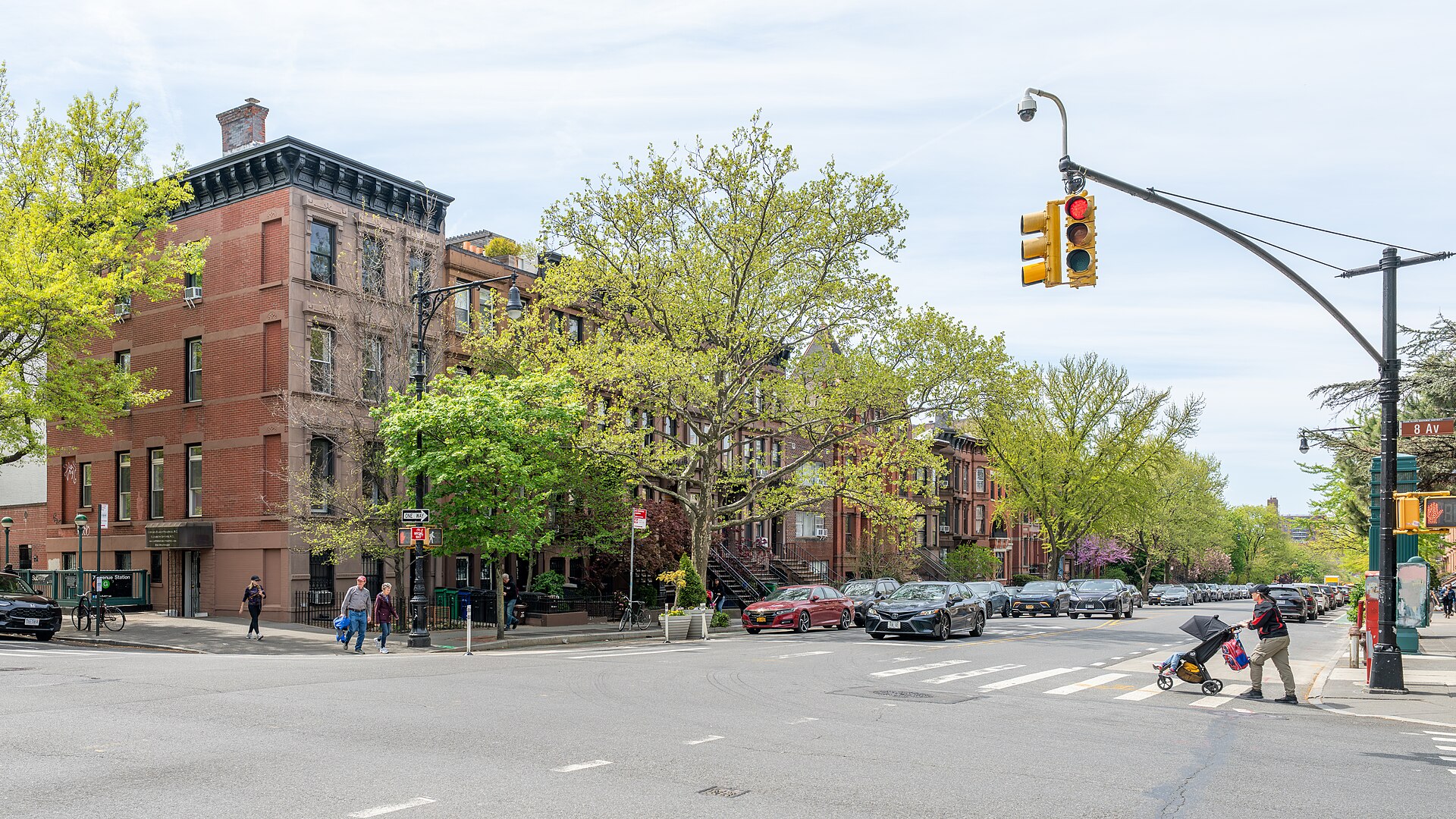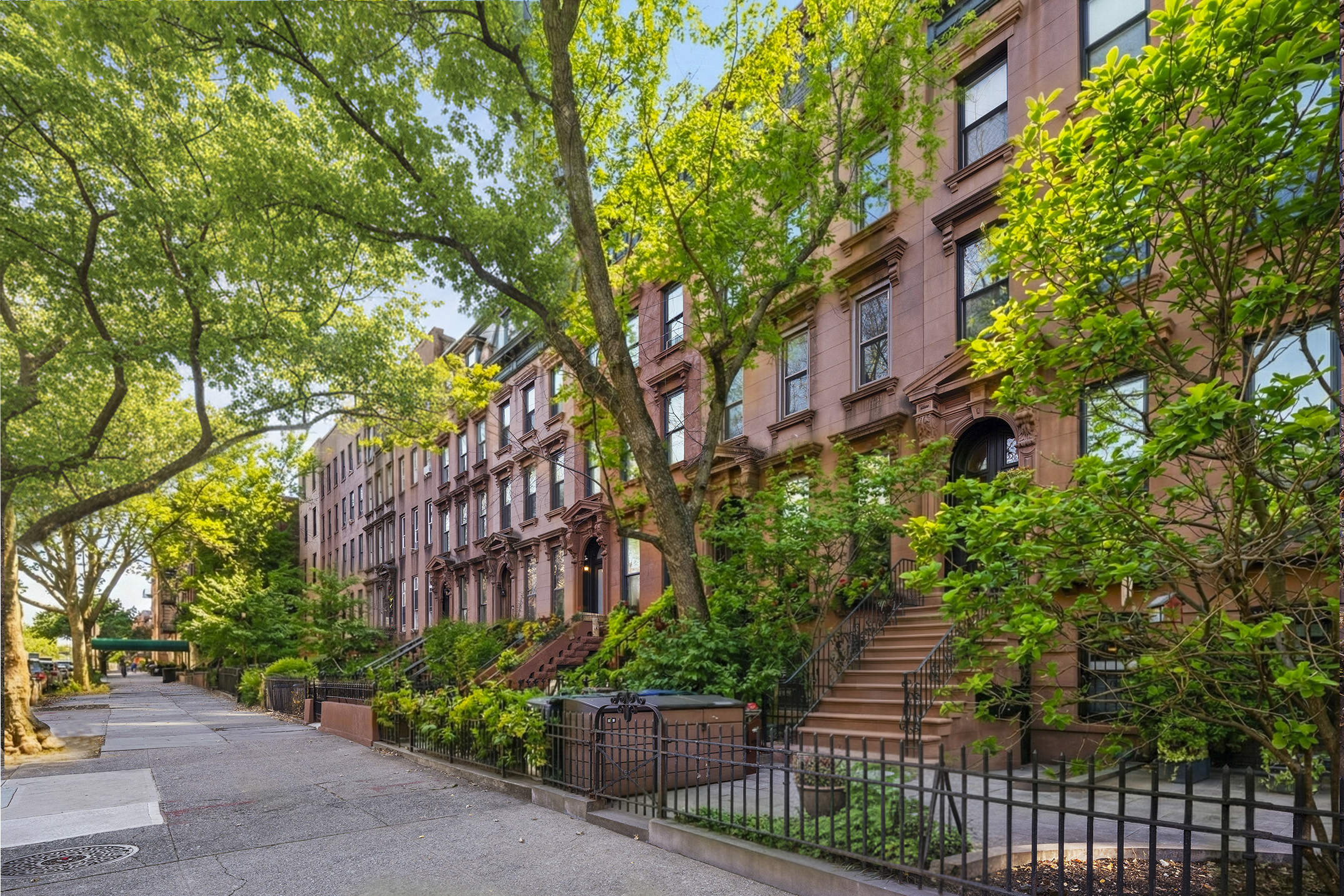
What does it cost to live in NYC?
There are so many factors that go into a home purchase, especially if you're a first-time buyer. What is the right time? How much money should I put down? How do I know what my budget really is?
A lot of things can impact when the right time is, but it's less about the market and more about your needs and what your financial goals are. Sometimes it's not just about your interest rate, but rather what the carrying costs are and what it means to you to own property.
What's the first step?
Are you paying in cash or planning to finance? Once you've made the decision to start looking at owning property, the next thing you need to do is figure out what you're able to pay for on a monthly basis. With interest rates being over 6% (the latest Fed update indicating they may even be close to 7%), your monthly payments (if you choose to finance) depend on the rate you get and how you set up your mortgage payments. Let's discuss what it really means to afford a mortgage.
A big factor to consider: maintenance & HOA
What is the building's maintenance or HOA? Does it include the property taxes? (With a co-op, building maintenance includes property taxes.)
The loan amount you are able to take out from a mortgage is dependent on those monthly payments. If rates are higher, the payment is higher, so the amount you're able to take out is dependent on the monthly maintenance or HOA on a building. $500 or $1,000 more in monthly maintenance on a building could impact your loan amount by a few hundred thousand dollars.
How much are you able to put down?
A lot of buildings in NYC require at least a 20% down payment, but unless you have additional assets and liquidity, having just that amount does not always give you the ability to start the process. In NYC, condos generally have a bit more flexibility on what you can put down, and co-ops have pretty strict guidelines and sometimes require even 25% to 50% down on units in their buildings. Condos can be as low as 10%. In addition, you'll need to show “post-close liquidity,” which means available funds equivalent to your monthly payment (maintenance/HOA + monthly mortgage) for 2 years.
A quick example
Here is a quick estimated calculation based on a $1,000,000 co-op that requires a 20% down payment and 2 years of post-close liquidity:
- Down payment: $200,000
- Loan amount: $800,000
- HOA: $1,000
- Monthly payment on loan: $6,000 (estimated) + $1,000 (HOA/maintenance) = $7,000 monthly
- $7,000 × 24 months = $168,000 in post-close liquidity required
- Available funds to purchase: $200,000 + $168,000 = $368,000 to afford a $1,000,000 co-op in this basic example
Some additional costs that go into purchasing a home include attorney fees, closing costs to the building, transfer taxes, insurance, and more.
The bigger picture
While your affordability is based on this monthly payment and liquidity requirement, the decision to own also comes with the decision to start building equity. You can expand, renovate, change, and really turn owning property into an investment.
Let's talk it through
If you have questions about your ability to afford a home, want to discuss a plan to afford a home in the future, or want to talk about unconventional ways to purchase, our team is here to help. Explore current listings, run the numbers with our affordability calculator, or reach out to us.