Queens
Astoria
Astoria provides a classic neighborhood scale along the East River, anchored by expansive parklands and world-renowned Greek dining.
Average home price: $790K
- Astoria Park
- Hell Gate Bridge Views
- Taverna Kyclades
- Pre-War Co-ops
- Mediterranean Culinary Capital
The Scene
The scene in Astoria is vibrant, diverse, and full of life. It strikes a balance between old-world charm and a modern, evolving urban energy. The neighborhood is known for its friendly and welcoming atmosphere, with a strong sense of community. Major avenues like Steinway Street, 30th Avenue, and Ditmars Boulevard are bustling commercial corridors packed with a wide array of shops, cafes, restaurants, and bars that cater to diverse tastes and attract a lively crowd throughout the day and evening.
Lifestyle & Vibe
Astoria's physical environment is deeply anchored by the nearly 60-acre Astoria Park, set dramatically beneath the soaring steel arches of the Hell Gate Bridge and the RFK Bridge. The park features the city's largest public outdoor swimming pool, riverfront promenades, and athletic facilities. Streetscapes maintain an established community scale, with wide commercial avenues intersecting tree-canopied residential blocks. Active Open Streets programs and seasonal street festivals regularly transform corridors like 31st Street, Steinway Street, and 30th Avenue into pedestrian plazas.
Real Estate & Architecture
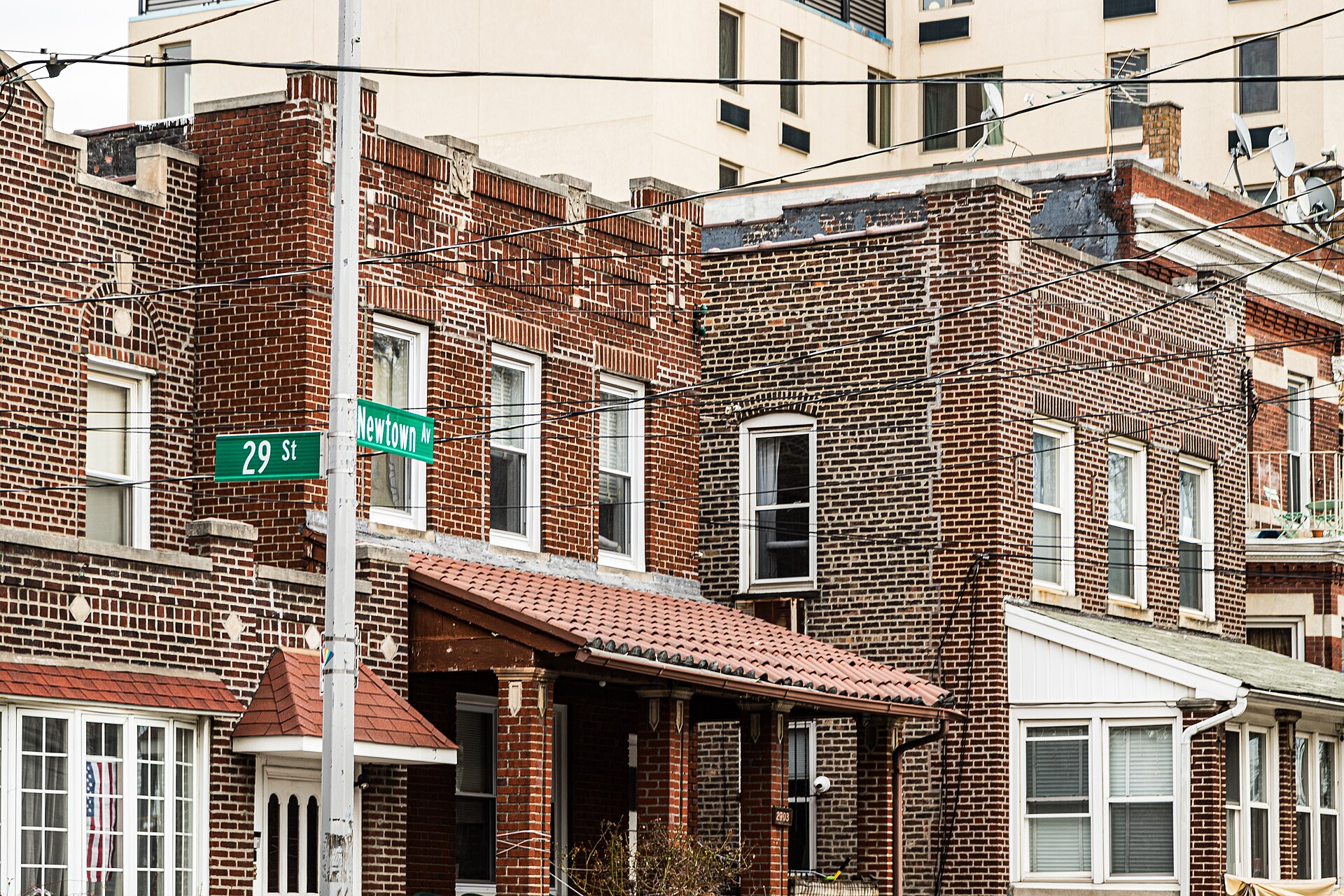
Astoria's architectural stock is varied and historically stable. Residential blocks are predominantly lined with well-preserved, semi-detached brick and wood-frame single-family and two-family homes, many featuring private driveways, front porches, and rear gardens. The market also features pre-war cooperative apartment buildings centered around interior courtyards. Newer boutique condominium developments utilizing contemporary masonry and glass fenestration continue to emerge along corridors adjacent to the elevated N and W subway lines.


Dining & Culture
Astoria's commercial gravity is distributed across Ditmars Boulevard, 30th Avenue, and Broadway. Internationally recognized as a premier destination for Greek and Mediterranean dining, the area is anchored by Taverna Kyclades at 36-01 Ditmars Boulevard, directed by owners Caterina and Ardian Skenderi. Operating since 1996, this cornerstone restaurant serves simply prepared seafood, including grilled octopus, whole branzino, and fried calamari, alongside traditional spreads like skordalia and tzatziki.
Getting Around
Getting around Astoria and commuting to other parts of New York City is relatively easy due to its excellent public transportation options. The MTA subway is a primary mode of transit, with the N and W trains providing direct and frequent service to Manhattan, and the R and M trains also accessible in some parts of the neighborhood. Numerous MTA bus lines crisscross Astoria, offering local transportation and connections to other Queens neighborhoods and subway lines. The NYC Ferry also provides a scenic alternative for travel along the East River to Manhattan and other waterfront areas.
Things To Do
Astoria offers a wide variety of things to do for residents and visitors. Enjoy the outdoors at Astoria Park, whether for recreation, relaxation, or taking in the impressive waterfront views. Immerse yourself in culture at the Museum of the Moving Image, Socrates Sculpture Park, or The Noguchi Museum. Explore the diverse culinary landscape by trying authentic Greek cuisine, visiting international restaurants, cafes, and bakeries, or sampling local craft beers at breweries. Shop along the bustling commercial avenues, catch a live performance at a local venue, or simply enjoy the lively atmosphere of the neighborhood's many bars and lounges.
Restaurants & Dining
Astoria is renowned as a foodie haven, particularly celebrated for its exceptional Greek restaurants and bakeries, earning it a reputation as one of the centers of Greek culture in New York City. Beyond its Greek roots, the neighborhood offers a vast and diverse international culinary scene, with a wide array of eateries serving cuisines from around the world, including Italian, Middle Eastern, Latin American, and Asian options. From casual diners and pizza parlors to upscale dining establishments and trendy cafes, Astoria's restaurant scene is vibrant and constantly evolving, offering something to satisfy every palate.
Schools
Astoria is served by public schools within the New York City Department of Education. The neighborhood has a range of public elementary, middle, and high schools that serve its residential population. In addition to the public school system, families in Astoria also have access to various private and parochial schools located within the neighborhood and in nearby Queens communities, providing a variety of educational choices for students of all ages.
Conclusion
Astoria is a thriving and diverse Queens neighborhood that successfully blends its rich cultural heritage with a dynamic, modern urban energy. Its strong sense of community, renowned culinary scene, abundant parks and cultural institutions, and excellent transportation links make it a highly desirable place to live. Offering a vibrant lifestyle with a slightly more laid-back feel than parts of Manhattan or Brooklyn, Astoria provides a compelling and accessible option for those seeking a true New York City neighborhood experience.