Manhattan
SoHo
An iconic architectural showcase renowned for possessing the world's largest collection of cast-iron facades, expansive art galleries, and premier international luxury retail.
Average home price: $3.1M
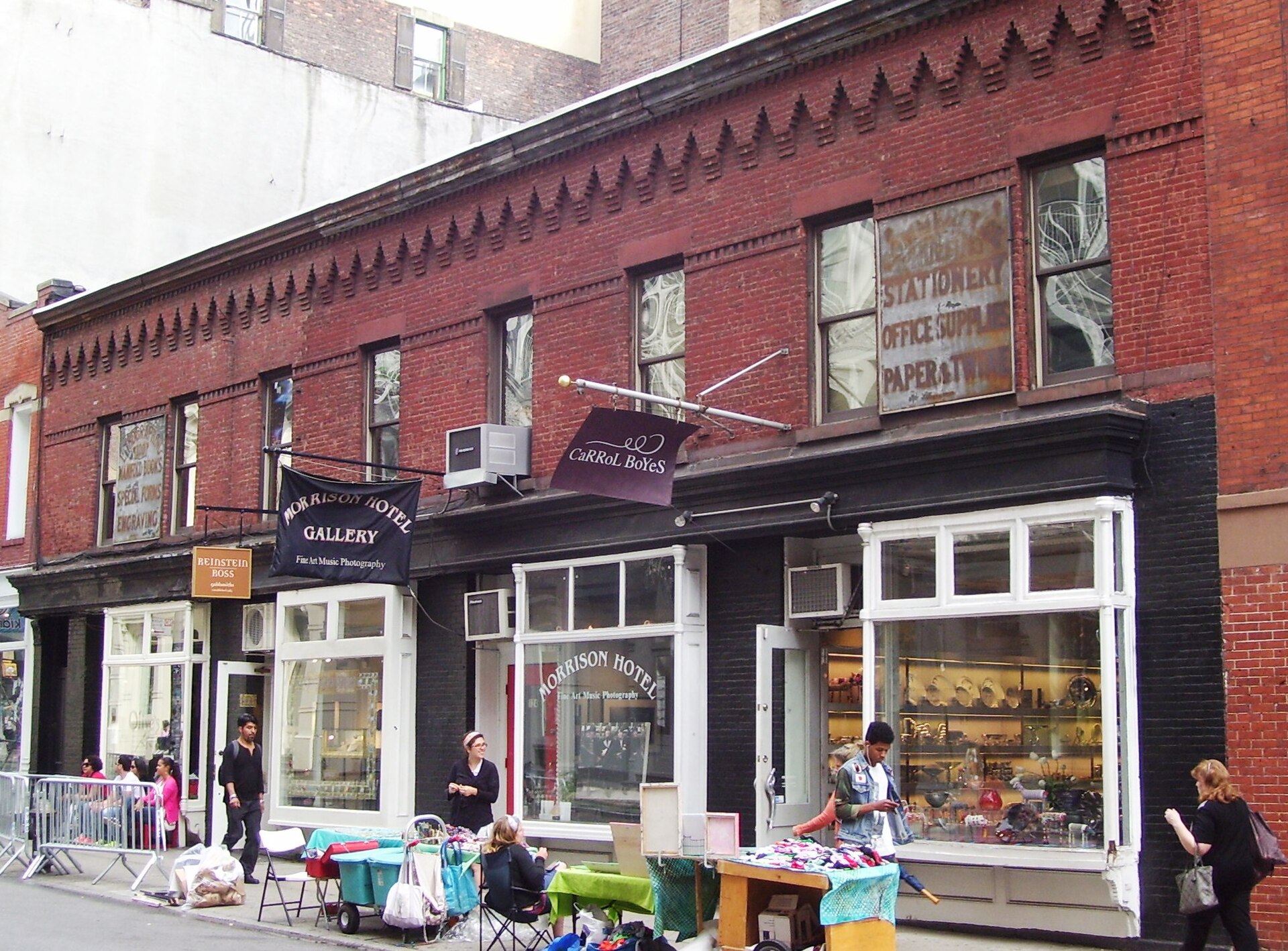
- Cast-Iron Historic District
- Authentic Lofts
- Designer Flagships
- Belgian Block Streets
The Scene
The scene in SoHo is dynamic, stylish, and consistently busy. It has transformed from its roots as an artists' enclave into a major commercial and fashion center, attracting shoppers and visitors from around the world. Broadway and the surrounding streets are bustling with retail activity, while cobblestone side streets offer a slightly quieter, more residential feel with charming cafes and boutiques. The atmosphere is fashionable and energetic, reflecting its status as a global trendsetter in retail and culture.
Lifestyle & Vibe
SoHo, situated South of Houston Street, is an architectural marvel and a globally recognized epicenter of fashion and art. The physical environment is instantly identifiable by its Belgian block streets, particularly along Mercer, Greene, and Wooster, which are flanked by towering, ornate cast-iron facades. The neighborhood operates with a vibrant, high-energy streetscape, characterized by heavy pedestrian footfall drawn to its unmatched retail and gallery density. The area serves as an open-air museum of 19th-century industrial architecture, preserved meticulously under landmark status.
Cultural gravity remains exceptionally strong, anchored by prominent institutions such as the Leslie-Lohman Museum of Art and an array of prestigious contemporary galleries like Jack Shainman. The neighborhood's central location provides a seamless transition into adjacent districts like NoHo, Nolita, and Tribeca. Transportation is highly efficient, with immediate access to the Prince Street, Spring Street, and Broadway-Lafayette stations, serving the N, R, W, C, E, B, D, F, M, and 6 subway lines.
Real Estate & Architecture
The SoHo Cast-Iron Historic District protects an unparalleled collection of mid-19th-century commercial architecture. These structures, originally designed for textile manufacturing and wholesale dry goods, are distinguished by their elaborate cast-iron fronts, which mimic classical stone masonry with intricately molded columns, wide window bays, and decorative cornices. The real estate market is dominated by the conversion of these spaces into massive, open-plan residential lofts that feature ceiling heights often exceeding twelve feet, original hardwood flooring, and expansive natural light.
In addition to authentic loft conversions, the neighborhood has seen the insertion of ultra-luxury boutique condominiums that reinterpret the area's industrial aesthetic. Developments such as 565 Broome SoHo, a glass-clad design, and The Puck Building's bespoke penthouse additions offer a highly refined standard of living. The Puck Building, located at 295 Lafayette Street, features condos with grand proportions and high ceilings. Other significant buildings include 111 Mercer and The Renwick, which merge historic architecture with contemporary design to provide unique loft-style properties.


Dining & Culture
SoHo is a premier destination for luxury shopping and dining, hosting a dense concentration of international designer flagships and highly acclaimed restaurants. Broadway and Prince Street are lined with iconic retail houses, including Prada, Chanel, and The Webster, which occupy massive, multi-level cast-iron spaces. The retail experience is characterized by high design, with store interiors often conceptualized by world-renowned architects to reflect the neighborhood's artistic legacy.
The culinary landscape is equally formidable, featuring institutions that have defined New York dining for decades. Balthazar remains a cornerstone, offering a recreation of a Parisian brasserie complete with soaring ceilings and antique mirrors. Nearby, Sadelle's elevates classic culinary traditions within a highly styled environment, while Raoul's maintains its status as an iconic French bistro. The neighborhood also supports an artisanal café culture, with bakeries and espresso bars tucked into side streets.
Getting Around
SoHo is very well-connected by public transportation, providing convenient access to various parts of Manhattan and other boroughs. Numerous subway lines serve the periphery of the neighborhood, including the C, E, F, M, N, R, W, 1, and 6 trains, with stations located along Canal Street, Broadway, and Houston Street. Several MTA bus lines also operate through or around SoHo. Its central downtown location makes it easily walkable to adjacent neighborhoods like TriBeCa, Greenwich Village, and the Lower East Side.
Things To Do
Things to do in SoHo primarily revolve around exploring its unique environment and indulging in its offerings. Wander through the streets, admiring the stunning cast-iron architecture and Browse the extensive array of high-end boutiques and retail stores, from major international brands to independent designers. Visit the various art galleries that still maintain a presence in the neighborhood. Explore the diverse restaurant and cafe scene, or discover unique shops and specialty stores. SoHo's lively atmosphere makes it a great neighborhood for simply strolling and people-watching.
Restaurants & Dining
SoHo boasts a vibrant and diverse restaurant and dining scene that caters to its fashionable clientele and the influx of shoppers and visitors. The neighborhood offers a wide range of culinary options, from trendy and upscale restaurants serving innovative cuisine to classic cafes, bakeries, and international eateries. You can find everything from acclaimed fine dining to casual spots for a quick bite. The concentration of restaurants, particularly on the main avenues and some side streets, provides a lively and competitive dining landscape.
Schools
SoHo is served by public schools within the New York City Department of Education. The neighborhood has a number of public elementary and middle schools. Due to its location in a bustling downtown area and its affluent population, families in SoHo also have access to a variety of private and independent schools located in nearby Manhattan neighborhoods, offering additional educational choices for residents.
Conclusion
SoHo is a captivating and dynamic Manhattan neighborhood that successfully blends its significant architectural history and artistic roots with its modern-day status as a global retail and dining mecca. Its stunning cast-iron buildings, fashionable atmosphere, diverse shopping and culinary scenes, and central downtown location create a highly energetic and desirable place to live. For those seeking a vibrant, stylish, and historically rich urban experience with unparalleled access to world-class retail and dining, SoHo offers a unique and exciting environment.