Manhattan
Tribeca
A globally coveted downtown district defined by its expansive cobblestone streets, monumental cast-iron architecture, and highly sought-after converted industrial lofts.
Average home price: $3.7M
- Historic Cast-Iron Lofts
- Cobblestone Streets
- Michelin-Starred Dining
- Hudson River Park
The Scene
The scene in Tribeca is generally characterized by its chic, sophisticated, and somewhat low-key atmosphere. It's a neighborhood that attracts affluent residents, including many celebrities, who value privacy and exclusivity. During the day, the streets are relatively calm, with activity centered around boutiques, cafes, and parks. Evenings see aजीयन to a bustling, high-end dining and bar scene. While not known for overt nightlife like some other downtown areas, Tribeca offers a refined social environment. The annual Tribeca Film Festival significantly adds to the neighborhood's cultural vibrancy.
Lifestyle & Vibe
Tribeca, an acronym for the Triangle Below Canal, boasts a distinct physical presence characterized by its grand industrial scale and irregular street grid. The streetscape is dominated by wide, original cobblestone thoroughfares, loading docks with prominent metal canopies, and substantial masonry structures that convey a profound sense of historical weight. Public space is abundant, with Washington Market Park providing a lushly landscaped civic anchor designed by Lee Weintraub in 1978, and the adjacent Hudson River Park offering extensive piers, recreational paths, and waterfront promenades.
Despite its international profile, the street-level environment maintains a remarkable tranquility compared to midtown corridors. Transit access is exceptional, anchored by the Chambers Street, Franklin Street, and Canal Street hubs, providing vital connections to the 1, 2, 3, A, C, E, N, Q, R, and W subway lines, ensuring rapid movement across the borough.
Real Estate & Architecture
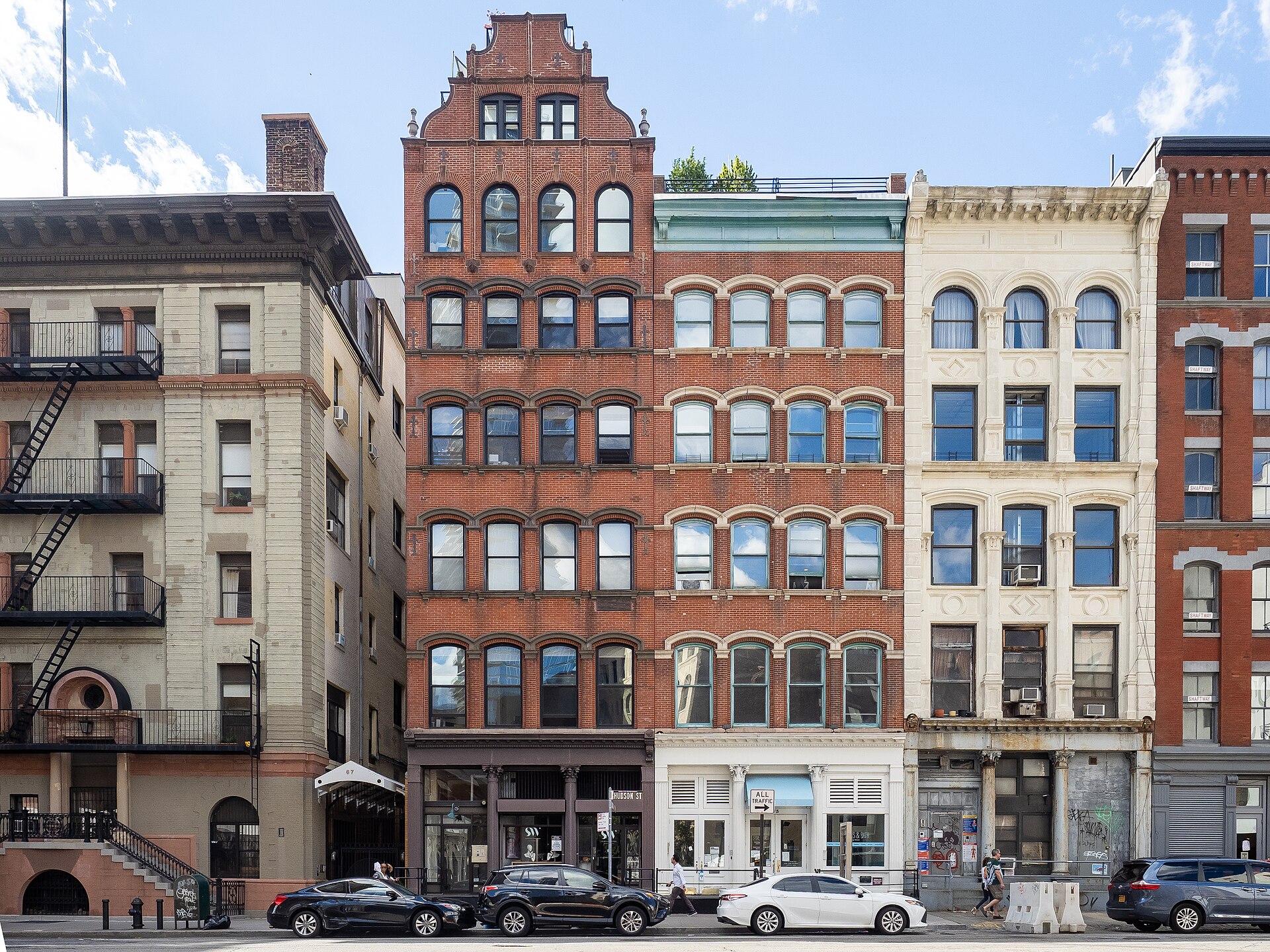
The architectural identity of Tribeca is fiercely protected by four distinct historic districts: Tribeca East, Tribeca West, Tribeca North, and Tribeca South, designated in the early 1990s. The defining typology is the 19th-century commercial warehouse and factory, constructed using robust masonry and elaborate cast-iron facades. These historic structures feature deep cornices, Corinthian columns, and oversized arched windows. Their transition into residential use has created the quintessential Tribeca loft: vast, open-plan spaces with soaring ceiling heights, exposed brick walls, and original timber or cast-iron structural pillars.
Interspersed among these heritage lofts is a select corridor of boutique, ultra-luxury new developments that respect the contextual scale of the neighborhood. Ground-up condominiums and monumental restorations, such as the Art Deco 100 Barclay Street, offer bespoke finishes, discreet private entrances, and comprehensive amenities including 82-foot lap pools and private concierges. This balance of preserved industrial scale and modern opulence commands premium valuations in the global market.


Dining & Culture
Tribeca's culinary scene is a constellation of Michelin-starred institutions and exclusive dining venues, set within awe-inspiring architectural spaces. The neighborhood is home to legacy establishments such as Nobu, which introduced elevated Japanese-Peruvian cuisine to the city, and Locanda Verde, serving rustic Italian fare within a buzzing, tavern-like atmosphere. Marc Forgione and Frenchette continue to anchor the district with critically acclaimed, innovative menus that draw epicureans from around the world.
The neighborhood is a cultural powerhouse, hosting the internationally renowned Tribeca Film Festival and numerous independent art galleries that contribute to its sophisticated gravity. The retail environment eschews massive department stores in favor of highly curated, independent boutiques and specialized design showrooms. Interspersed along Greenwich and Hudson Streets, these commercial spaces occupy the expansive ground floors of historic warehouses, offering bespoke furniture and avant-garde fashion.
Getting Around
Tribeca offers excellent public transportation access, making it easy to navigate within the neighborhood and connect to the rest of the city. Numerous subway lines serve the area, including the 1, 2, 3, A, C, and E trains, with stations located along its borders and within the neighborhood, providing convenient routes uptown, downtown, and to other boroughs. Several MTA bus lines also operate through Tribeca. Its downtown location makes it highly walkable to the Financial District and other Lower Manhattan neighborhoods, and the Hudson River Greenway is popular for biking and jogging.
Things To Do
Things to do in Tribeca often involve exploring its unique architecture, enjoying its high-end dining and shopping, and taking advantage of its waterfront access. Wander through the historic streets, admiring the converted warehouses and cobblestone paths. Spend time outdoors at Hudson River Park, utilizing its recreational facilities or simply enjoying the views. Attend screenings and events during the Tribeca Film Festival. Explore the neighborhood's art galleries, boutiques, and specialty shops. Indulge in the acclaimed culinary scene, from upscale restaurants to trendy bars. The 9/11 Memorial & Museum and One World Observatory are also within walking distance.
Restaurants & Dining
Tribeca is a premier dining destination in New York City, known for its concentration of high-end, acclaimed restaurants and trendy eateries. The neighborhood offers a sophisticated culinary landscape with a wide variety of cuisines and dining experiences, from intimate fine dining establishments to bustling bistros and stylish cafes. Many restaurants are housed within the neighborhood's historic buildings, adding to the ambiance. The dining scene caters to a discerning clientele and is a significant draw for both residents and visitors.
Schools
Tribeca is served by public schools within the New York City Department of Education. The neighborhood has a number of public elementary and middle schools. Due to its affluent population, there are also several highly-regarded private schools located within Tribeca and in nearby downtown Manhattan neighborhoods, offering a range of educational options for families residing in the area. The quality of local schools is often a factor for families choosing to live in Tribeca.
Conclusion
Tribeca offers a unique and highly coveted urban living experience, blending its rich industrial history with contemporary luxury and a sophisticated atmosphere. Its stunning architecture, exclusive residential feel, high-end dining and shopping, cultural attractions like the Tribeca Film Festival, and prime downtown location make it one of New York City's most desirable and expensive neighborhoods. For those seeking a stylish, private, and well-connected enclave with a distinct character, Tribeca represents the pinnacle of downtown living.